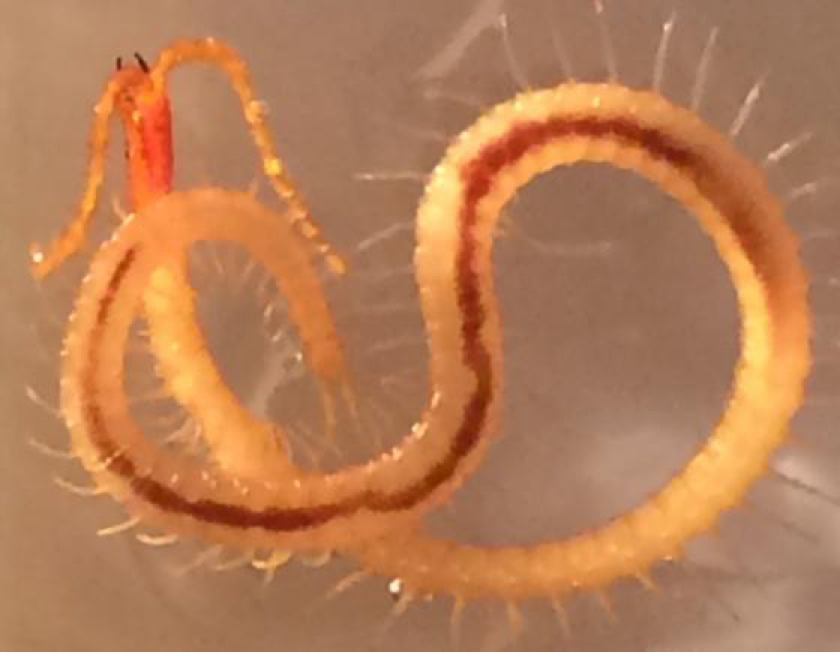
Do you know it’s possible that you could be living with intestinal parasites that could cause you to become sick?
The television show “Monsters Inside Me” aired several episodes involving individuals who were sick, and after many tests, finally discovered that parasites were the cause of their illnesses. But the truth is, you could easily have intestinal parasites and not even know it. If you eat, drink, and breathe, then you may have parasites. I believe some Americans think parasites are a third world issue, especially because most medical doctors do not stress this fact to their patients. As a registered nurse, I have worked with many doctors who do not address the possibility of getting parasites, but I experienced it firsthand.
There are many different types of parasites but the three categories that can cause infections in humans are Protozoa, Ectoparasites, and Helminths.
“Protozoa are single cell parasites that live inside a living organ.” (Centers for Disease Control (CDC), 2016). These creatures feed off a host, whether it is a human being or an animal. How do we get these creatures inside our bodies? We ingest these foreigners because of unclean hands, unwashed fruits and vegetables, walking barefoot on contaminated soil, eating uncooked meats such as pork, drinking contaminated water, being bitten by a bug, and inhaling certain toxins. We also can transfer them from one person to the next (CDC, 2016).
Ectoparasites are parasites that attaches to the skin. These include mosquitoes, mites, lice, fleas, and ticks. “They may stay attached to your skin for weeks or months, sucking on your blood and transmitting deadly diseases” (CDC, 2016).
Unlike protozoa, helminths have many cells. They cannot multiply in the adult stage and can be seen by the living eye. These include tapeworms and flukes, which are usually located in the intestines. Tapeworms and flukes can live in the intestine for 25 years (Mlblevins, 2009). Roundworms, the adult form, are found in the blood, gastrointestinal tract, subcutaneous tissues, and lymphatic tissues (Mlblevins, 2009).
Some of the symptoms of parasitic infections are digestive issues, diarrhea, feeling bloated, having itchy skin (rectal itching), and acne. This list is not all-inclusive.
What do I do if I think I have a parasitic infection?
If you are experiencing some of the above symptoms, speak with your doctor about your concerns. Stool tests are effective at determining if you have ova and parasites. Endoscopy and blood tests can also be conducted to help give a clearer picture as some of the regular conventional tests may not always show if you have parasites. Regular labs may or may not run the type of tests that are needed to discover if you have parasites. However, there are doctors who specialize in this field called Parasitologists. Genova Lab is a special laboratory that conducts non-conventional tests. If you’re interested, you can check with your insurance company to see if they will cover this test.
The treatment for parasites can take a long time depending on how long you have had the infestation. Antibiotic therapy is not the right choice of therapy. Anti-parasitic drugs are typically recommended but if you are not an individual who prefers to take medications, there are herbal preparations that may help, depending on the type of infestation that is present. Speak with your doctor about the course of treatment you wish to pursue.
Below is a link to some nutritional preparation that may support the expulsion of intestinal parasites from the body. Some common herbal and food items that support an uninhabitable place for intestinal parasites are garlic, pumpkin seeds, cloves, Wormwood, Black Walnut Hull, and Pau D’ Arco. You should also add a laxative to your regimen to remove waste buildup, and a probiotic to replenish the intestinal flora.
Best habits to help lower your risk of developing dangerous parasites:
- Parasite cleanse 1-2 times a year.
- Wash your hands before eating and after using the restroom.
- Wash your fruits and vegetables thoroughly.
- Wash meats before cooking.
- Lower your sugar intake.
- Use bottled water to brush your teeth and for drinking when in a foreign country.
Reference
About Parasites. (2016). Retrieved September 15, 2019, from https://www.cdc.gov/parasites/about.html
Mlblevins. (2009, December 18). Colon parasites. Health Hearty. https://healthhearty.com/colon-parasites
Moody, N., McCabe, K.,D Slobart.,& Wanner, E(Producers). (n.d.). Monsters Inside Me [Television series], Animal Planet.
Related posts

A Fat Lesson Learned
Not all fats are created equal… When my son was about 2 years old, I discovered a crucial mistake that I made due to a lack o …
